Russia charges Telegram founder Pavel Durov with aiding terrorism and puts him on wanted list

Russia’s Federal Security Service has charged Telegram founder and owner Pavel Durov with aiding terrorism and placed him on an international wanted list.
The FSB announced the charge on Wednesday, July 29, 2026, as Russian authorities continued restricting access to Telegram, one of the country’s most widely used messaging platforms. Durov has not been convicted, and the accusations remain allegations.
What is Pavel Durov accused of?
The FSB accused Telegram’s administration of failing to remove channels, group chats and automated bots that it claims were used by Ukrainian intelligence services, terrorist organisations and extremist groups.
According to the agency, these Telegram services were used to prepare or coordinate sabotage, terrorist acts, killings and cyberfraud inside Russia. The FSB alleged that these activities resulted in casualties, although the statement did not provide an independently verified account of each incident.
The Russian agency also alleged that Ukrainian security services used a dating chatbot hosted on Telegram to recruit young Russians for violent or disruptive activities.
It said 46 users between the ages of 12 and 22 had been detained across Russia since July 2025 over alleged offences including arson and attacks on law-enforcement officers.
Durov rejects Russia’s case against him
Durov revealed in February 2026 that Russia had opened a criminal investigation against him on an aiding-terrorism allegation.
He accused Russian authorities of inventing justifications to restrict access to Telegram and suppress privacy and freedom of expression.
Telegram had not issued a public response to the latest FSB announcement when the Associated Press report was published.
The company’s official information identifies Durov as Telegram’s founder, owner and chief executive. Telegram is based in Dubai, where Durov also lives, and he holds French and Emirati citizenship.
Durov could face life imprisonment if convicted
The reported charge could carry a sentence of up to life imprisonment in Russia if Durov is convicted.
However, the FSB announcement did not explain how Russian authorities intend to secure his arrest or return to the country. It also did not state whether an Interpol notice had been requested or issued, so the term “international wanted list” should not automatically be interpreted as confirmation of an Interpol Red Notice.
Russia has intensified restrictions on Telegram
The case comes amid a broader Russian campaign to increase government control over internet platforms and online communications.
Authorities have blocked or restricted a range of international services, including Facebook, Instagram, X, Signal, Viber, WhatsApp and Telegram. Access to YouTube has also been slowed, while virtual private network services used to bypass restrictions are frequently blocked.
Russia previously attempted to block Telegram between 2018 and 2020 but was unable to prevent widespread access to the platform.
Telegram has remained particularly significant in Russia because it is used by civilians, government supporters, military commentators and Russian forces involved in the war in Ukraine. Earlier restrictions on the service prompted criticism even from pro-Kremlin military bloggers, who warned that they could disrupt communications.
At the same time, Russian authorities have promoted the domestically developed MAX messaging platform. Critics have raised surveillance and privacy concerns over the service, which says it may provide user information to authorities when requested.
Durov has also faced a separate case in France
The Russian proceedings are separate from an investigation Durov previously faced in France.
French authorities arrested him in Paris in 2024 over allegations that Telegram was being used for criminal activity, including drug trafficking and the distribution of child sexual abuse material. Durov later said he returned to Dubai in March 2025 after spending several months in France.
At the time of the French arrest, the Kremlin criticised France’s actions as selective. Russia has now filed its own terrorism-related charge against the Telegram founder.
What happens next?
The immediate legal consequences for Durov remain unclear because he lives outside Russia.
Russian authorities have publicly announced the charge and wanted-list status, but no further information has been provided about extradition proceedings, international police cooperation or a trial timetable.
Telegram’s formal response will also be closely watched, particularly regarding the FSB’s claims about content moderation and the use of the platform by alleged extremist and intelligence-linked groups.
---
About Qatar Living :
Since 2005, Qatar Living has been the trusted destination for everything Qatar. As the country's largest online community and marketplace, Qatar Living connects people with opportunities through jobs, property, vehicles, services, classifieds, events, local insights, and breaking news. Trusted by residents, newcomers, visitors, and businesses alike, Qatar Living brings Qatar together in one place.
Follow Qatar Living for daily updates:
Instagram - @qatarliving
X - @qatarliving
Facebook - Qatar Living
YouTube - qatarlivingofficial
Up Next
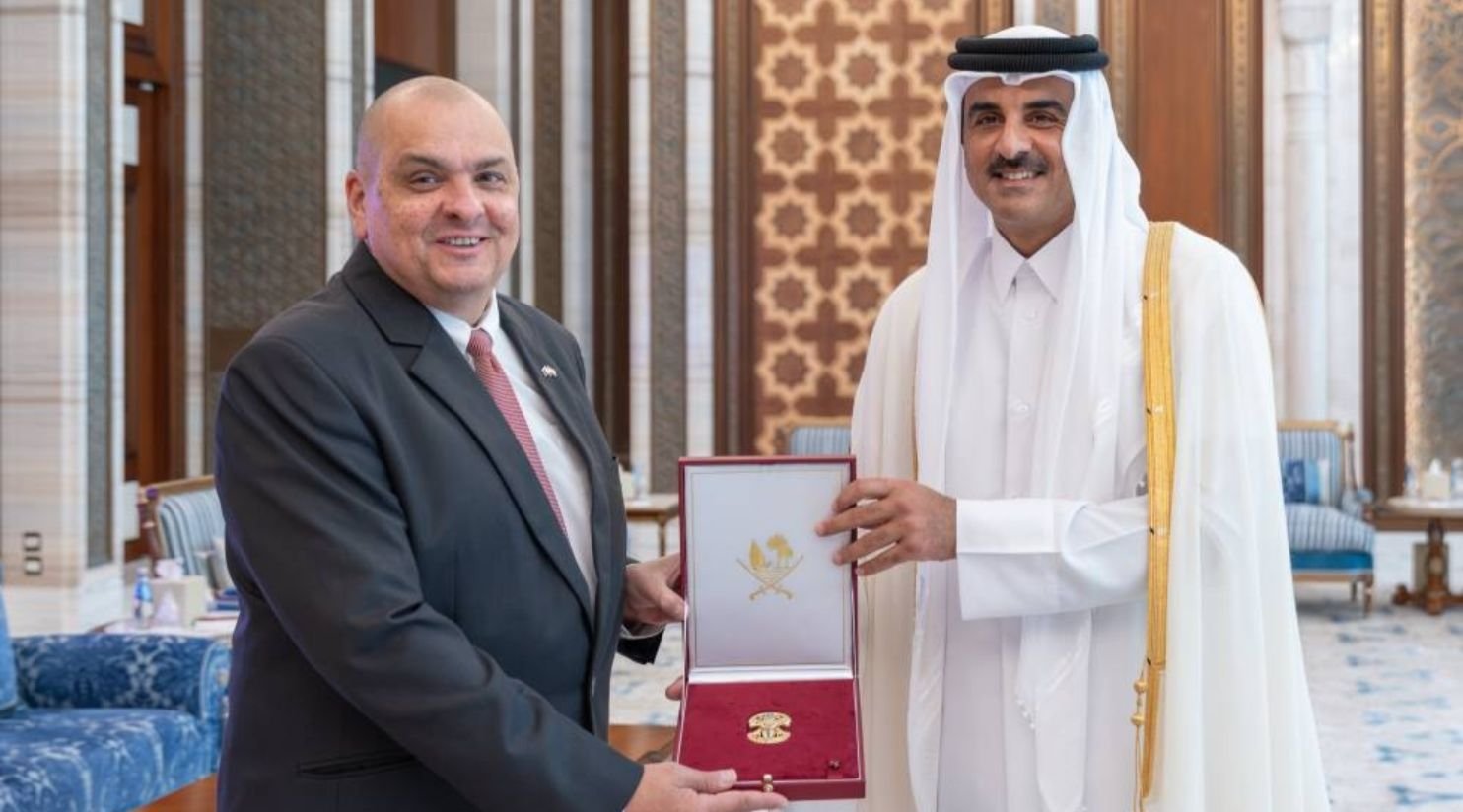
HH The Amir awards Hungarian ambassador Al Wajbah Decoration
HH The Amir awards the Hungarian Ambassador the Al Wajbah Decoration, honoring his efforts to strengthen Qatar-Hungary bilateral relations.
Jul 27,2026
Marvel confirms Black Panther 3 with David Jonsson as the new Black Panther
Marvel Studios confirms Black Panther 3 with David Jonsson as the new Black Panther, directed by Ryan Coogler and releasing in cinemas December 2028.
Jul 26,2026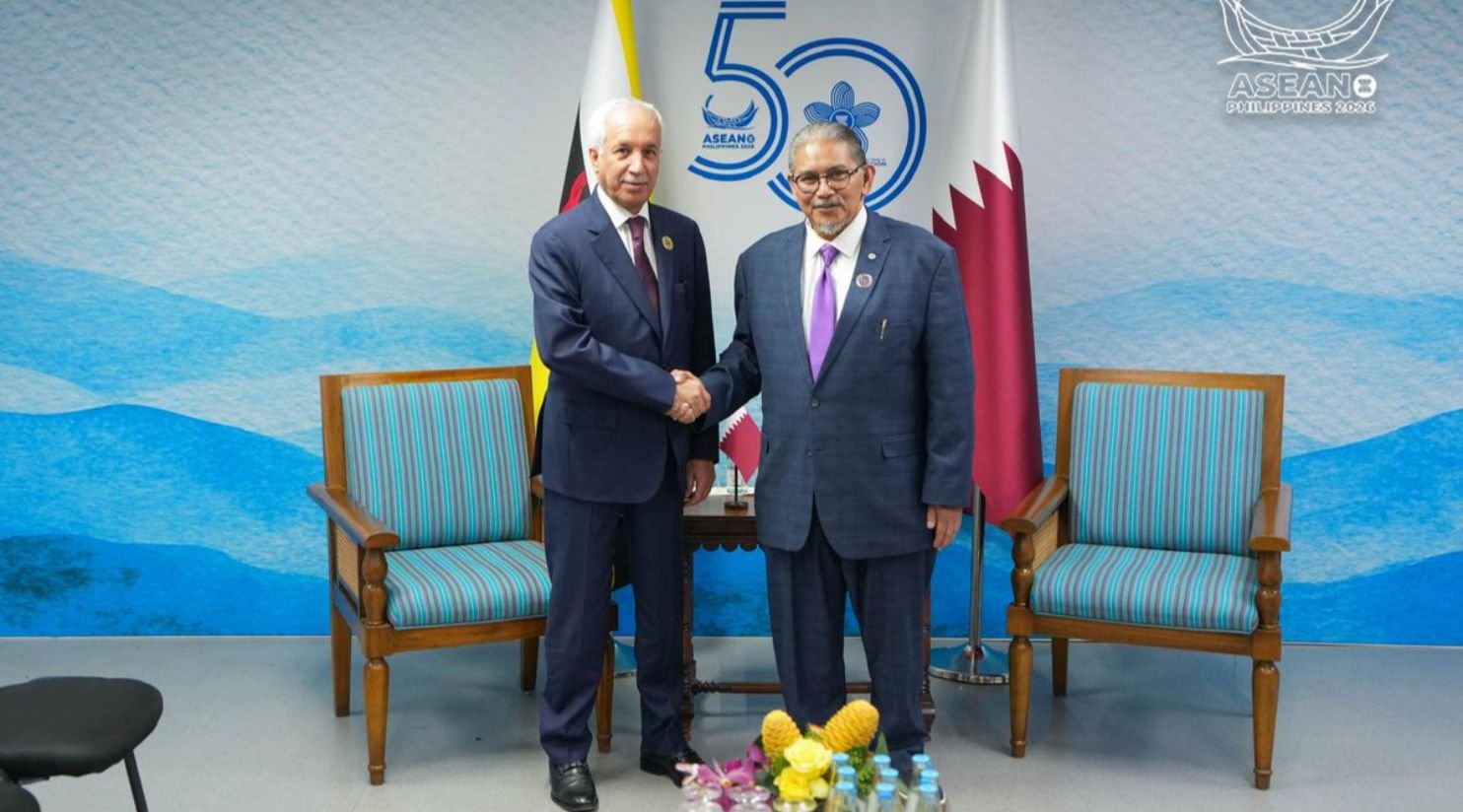
Qatar’s Minister of State for Foreign Affairs meets counterparts from eight nations in Manila
Qatar’s Minister of State for Foreign Affairs met officials from eight nations in Manila to strengthen bilateral ties and discuss regional cooperation.
Jul 25,2026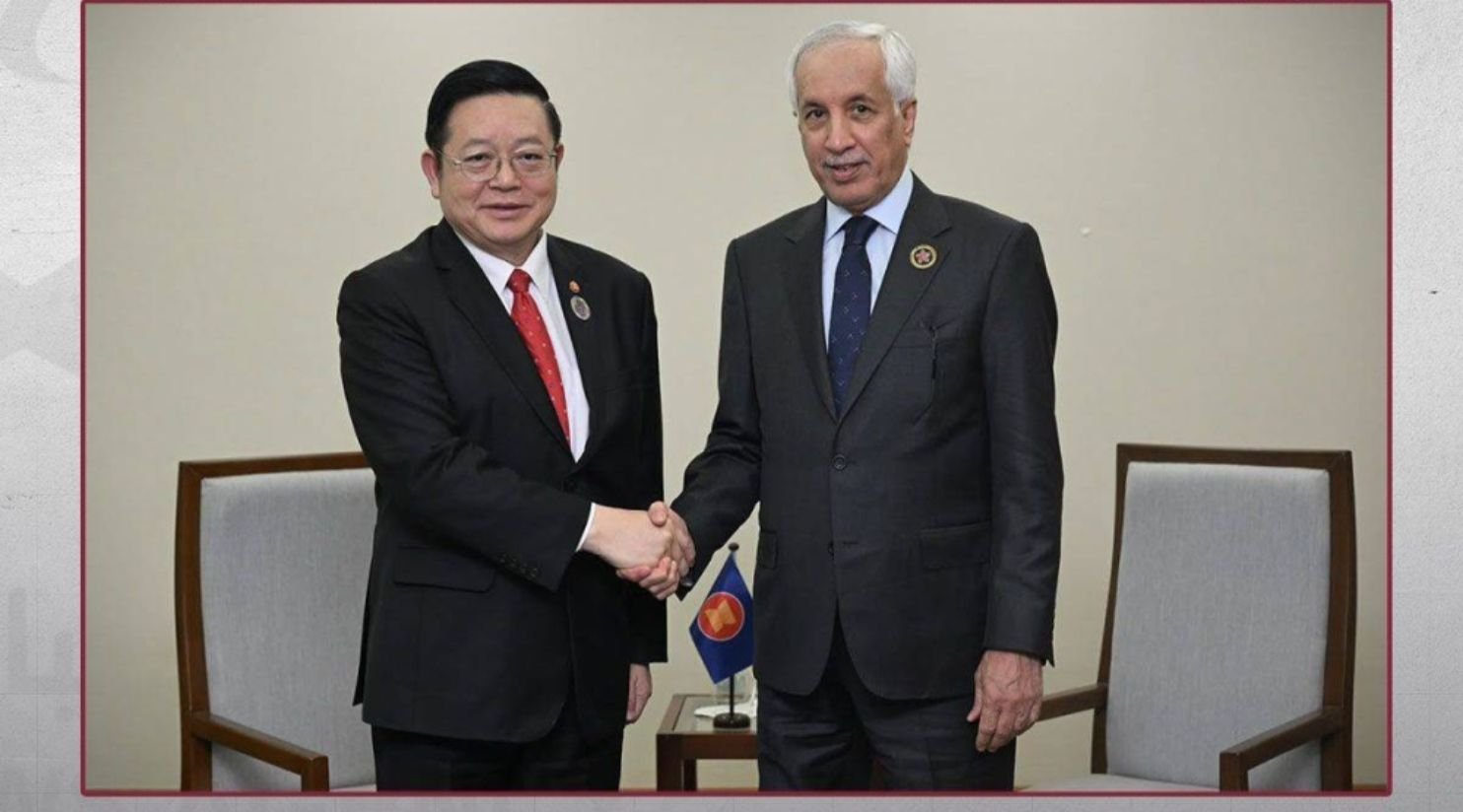
Qatar elevated as ASEAN sectoral dialogue partner
Qatar is now an ASEAN sectoral dialogue partner, strengthening ties and expanding cooperation with Southeast Asia in diplomacy and development.
Jul 24,2026