MOEHE sets education vouchers at up to QAR 78,000 for students with disabilities
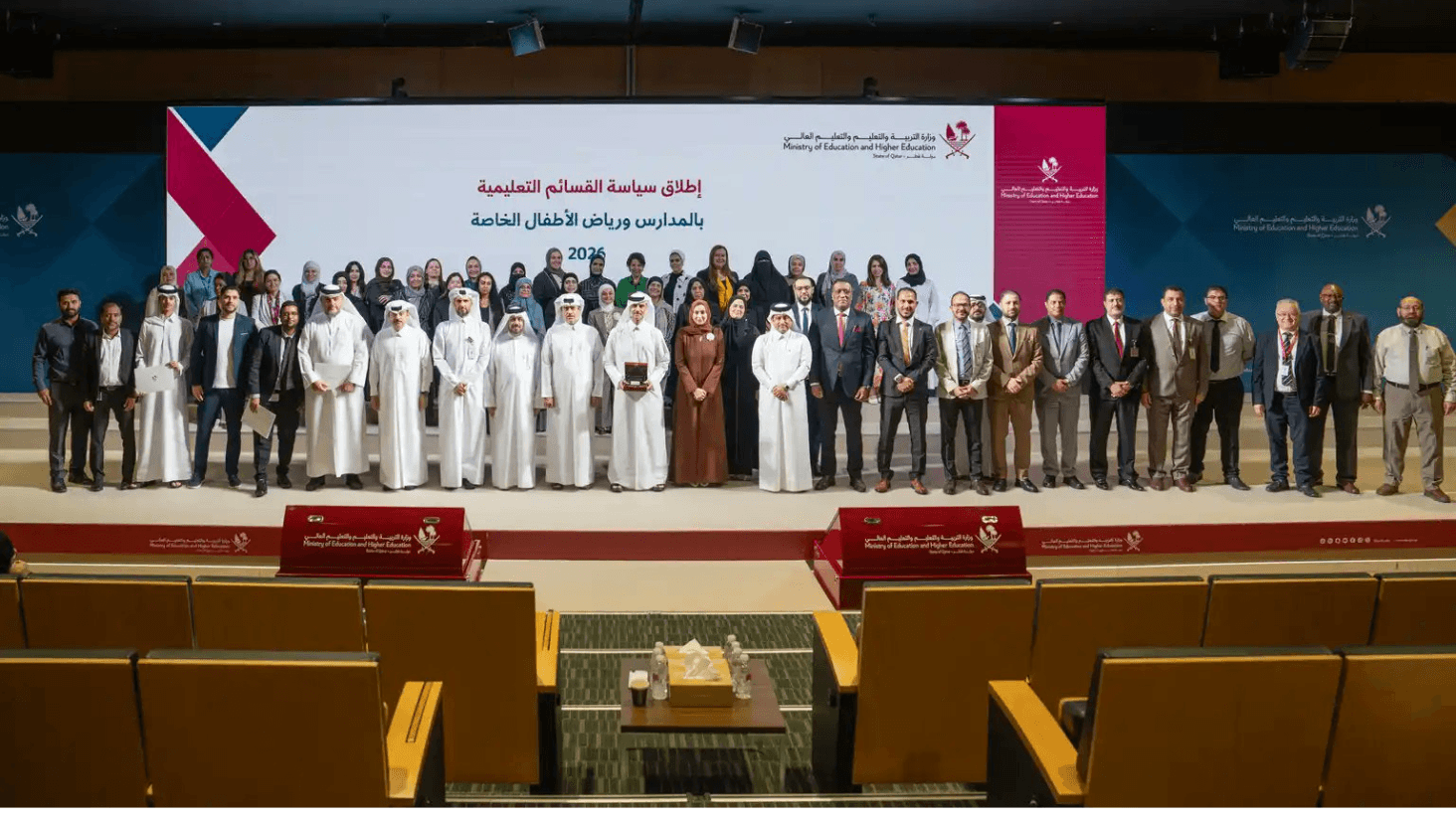
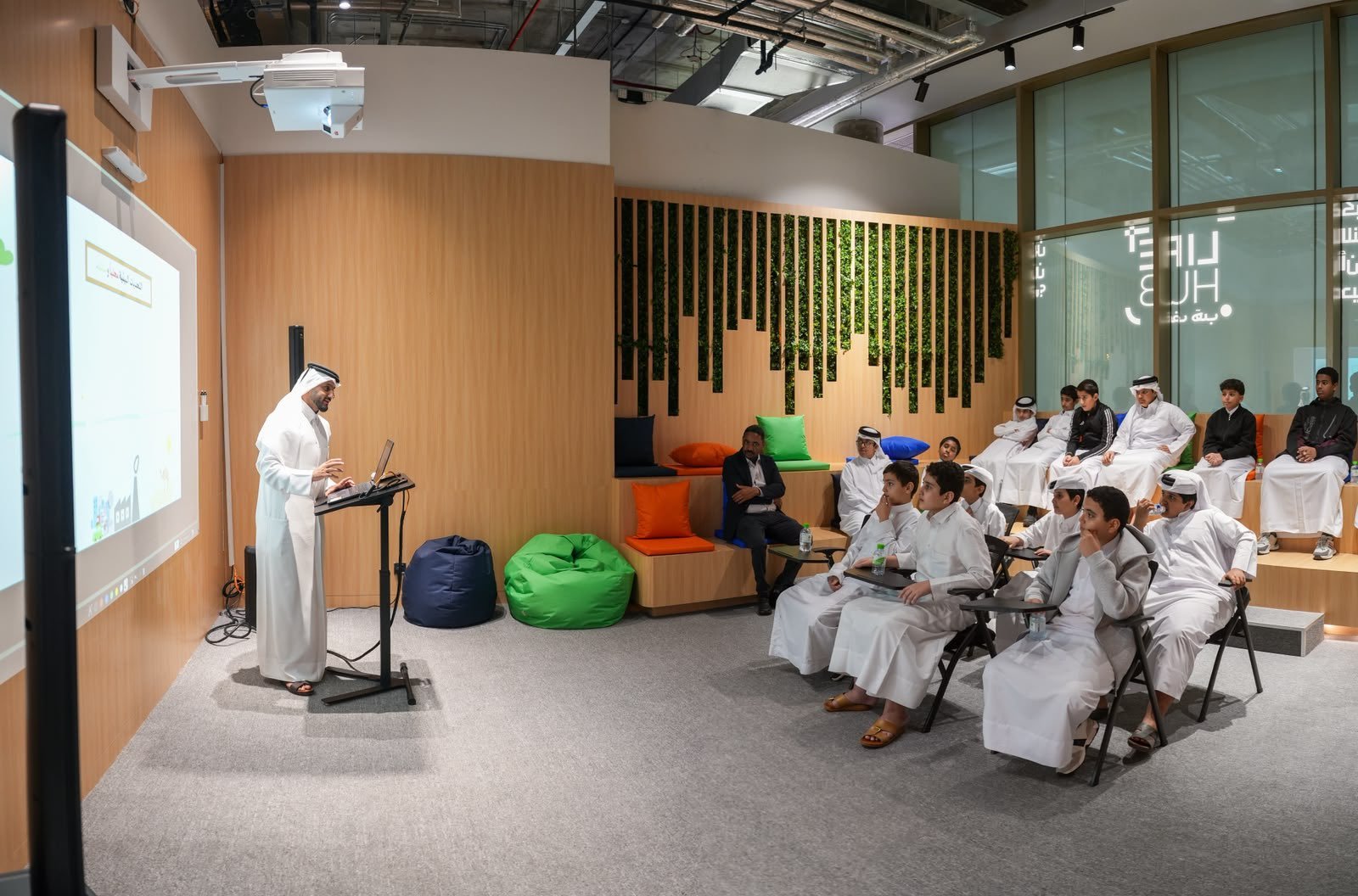
The Ministry of Education and Higher Education (MOEHE) has announced the launch of the first version of the educational voucher policy for private schools and kindergartens, with the aim of supporting learning opportunities and promoting justice and equal opportunities among students, through a clear regulatory framework that defines the mechanisms for providing support and links it to the student's entitlement and educational needs.
In his speech during the inauguration, Mr. Omar Abdulaziz Al-Naama, Assistant Undersecretary for Private Education Affairs, stressed that the new policy, based on Law No. (7) of 2012 and its amendments, and the Cabinet Resolution No. (25) of 2023 on amending the value of the educational voucher, represents a key pillar to organize educational support and enhance the benefit of students, especially students with disabilities.
He explained that the policy aims to support Qatari students to enroll in participating private schools, ease the educational burden on their families, and enable them to choose the appropriate educational environment for their children.
Al-Naama pointed out that the policy is not limited to defining the aspects of financial support, but also includes eligibility controls, application procedures, and the responsibilities of the Ministry, schools and parents, in a way that contributes to unifying practices, facilitating procedures, and promoting the principles of transparency and accountability, stressing the importance of data accuracy, meeting eligibility requirements, and following up on the provision of services to ensure that the support reaches those who deserve it.
With regard to students with disabilities, he stressed that the policy pays special attention to this category by taking into account their individual needs when determining appropriate supports and services, and promoting cooperation between the family, the school and the concerned authorities to provide a supportive and safe learning environment that enables students to learn, participate and develop their abilities.
He added that the expansion of the provision of support must be accompanied by quality assurance, follow-up of the level of educational services and their impact, and benefiting from the observations of families and schools in the continuous development processes, in a way that transforms financial support into real educational opportunities and tangible results, stressing that achieving these goals requires the integration of the efforts of the Ministry, schools and parents, and putting the interest of the student at the forefront.
For her part, Dr. Rania Yousri Mohammed, Director of the Department of Private Schools and Kindergartens and Acting Director of the School Licensing Department, stressed that the launch of the new policy comes from a comprehensive vision aimed at achieving justice, equal opportunities and guaranteeing the right to education for all citizens.
She explained that the policy is based on an integrated system of financial and educational support that ensures more equitable opportunities for Qatari students, including students with disabilities, through three main axes, including promoting educational justice, empowering the family by contributing to covering tuition fees, in addition to consolidating quality and accountability by monitoring the performance of schools and improving educational services.
She added that the policy aims to raise the level of community awareness of the importance of accredited schools, and to improve the quality of education through the application of continuous monitoring and evaluation mechanisms, in addition to facilitating access to specialized services that support students academically, behaviorally and psychologically, and alleviating the financial burden on families.
She indicated that the scope of the policy applies to Qatari students enrolled in various academic stages in participating private schools, in addition to providing additional financial support to students with disabilities according to the level of need and the approved eligibility conditions, while linking the support to follow-up and accountability procedures and the protection of students' data.
She pointed out that the policy, for the first time, has set precise criteria for granting educational vouchers to new schools from start-ups and private kindergartens with separate buildings, including the results of school evaluation, the availability of modern educational buildings, the strengthening of national partnerships in investment, the employment and development of national cadres, as well as meeting the conditions related to tuition fees, capacity, community contribution and serving people with limited income.
She also explained that the Ministry has set controls for the continuation of the disbursement of educational vouchers to schools that move to new premises, so that the support will continue in the event that the legal entity, activity, license, and educational stages are maintained without substantial changes that affect the legal or academic status of the school.
With regard to students with disabilities, Dr. Rania Yousri Mohammed, Director of the Department of Private Schools and Kindergartens and Acting Director of the School Licensing Department, confirmed that their admission to the voucher program requires the school to obtain the approval of their educational plan from the Ministry, and to conduct the necessary evaluations in accordance with the approved controls, with the approval of tuition fees for this category.
She explained that the entitlement to the educational voucher includes students wishing to improve the academic average in the eleventh and twelfth grades, students transferring between the various educational curricula, in addition to students who fail to repeat the class until passing it in accordance with the applicable regulations.
As for the children of retirees, she pointed out that the voucher was disbursed by the Ministry of Education and Higher Education upon the retirement of the guardian.
She revealed that the maximum educational voucher for a Qatari student in the regular track is 28 thousand riyals, while the value of the vouchers allocated to students with disabilities ranges between 43 thousand and 53 thousand and 78 thousand riyals, according to the level of support specified in the approved certificate, to cover tuition fees and approved educational and rehabilitation services.
She added that voucher bills are issued through the National Student Information System (NSIS) in Arabic, where the bill for the first installment is raised in October by 50 percent, and the second installment in February by the same percentage.
She pointed out that the Ministry will start receiving applications for private kindergartens with separate buildings to benefit from the educational vouchers as of April 1, 2027, and the results will be announced at the end of June 2027, to enable the beneficiary entities to benefit from the vouchers during the academic year 2027-2028, pointing out that the policy has been circulated to all private schools and kindergartens.
In the same context, Mrs. Amna Ali Al-Mulla, Director of the Department of Special Education and Inclusive Education, reviewed the legislative and legal pillars of the new policy, foremost of which is Cabinet Resolution No. (25) of 2023, which promotes supporting the rights of Emirati students with disabilities.
She explained that the policy has defined three levels of financial support allocated to students with disabilities, with values of 43 thousand riyals for the first level, 53 thousand riyals for the second level, and 78 thousand riyals for the third level, in order to cover the tuition fees of eligible students in various educational stages.
She added that the identification of the beneficiary groups came according to scientific foundations and approved diagnostic criteria, in coordination with the Ministry of Public Health and the Ministry of Social Development and Family.
She indicated that the implementation of the policy will be carried out in two stages: the first phase includes the categories of autism spectrum disorder, intellectual disability and its syndromes, hearing, visual and physical disabilities, and dual and multiple disabilities, while the second phase includes the categories of specific learning disabilities, the intermediate category, attention deficit and hyperactivity disorders, and speech and language disorders.
The Information Systems Department at the Ministry of Education and Higher Education also reviewed the procedures and steps of the electronic application in the Ministry's platform to support schools and facilitate them in the application process.
The launch of the new policy comes within the framework of the State of Qatar's efforts to promote an inclusive and equitable education system that meets the needs of all segments of society and supports the abilities of students with disabilities, in line with the goals of the Qatar National Vision 2030.
About Qatar Living:
Since 2005, Qatar Living has been the trusted destination for everything Qatar. As the country's largest online community and marketplace, Qatar Living connects people with opportunities through jobs, property, vehicles, services, classifieds, events, local insights, and breaking news. Trusted by residents, newcomers, visitors, and businesses alike, Qatar Living brings Qatar together in one place.
Instagram - @qatarliving
X - @qatarliving
Facebook - Qatar Living
YouTube - qatarlivingofficial
Up Next
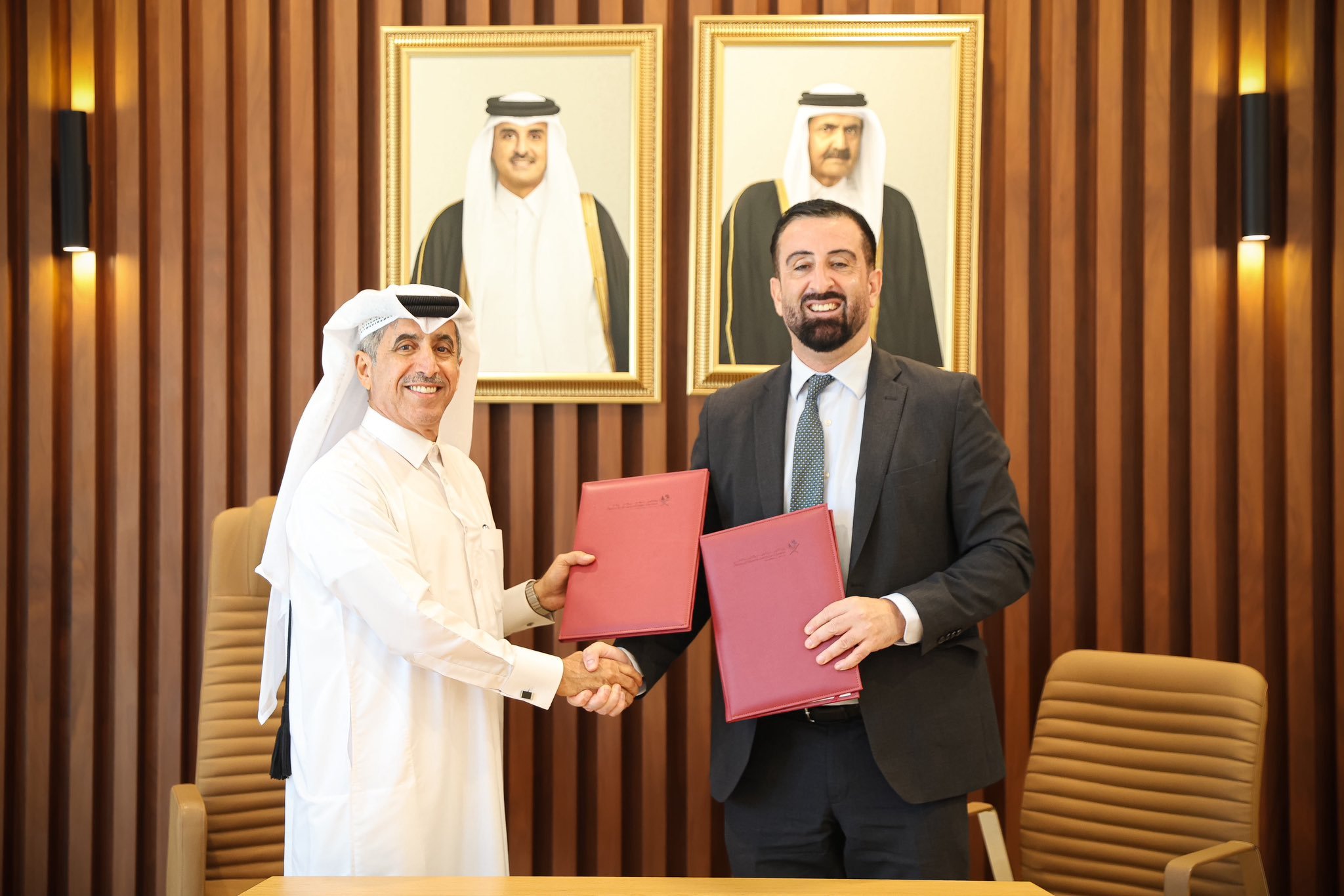
MOEHE partners with GSM to develop specialised medical and engineering school
MOEHE partners with GSM to manage Qatar’s International School of Medical Sciences and Engineering, enhancing specialized education quality.
Nov 4,2026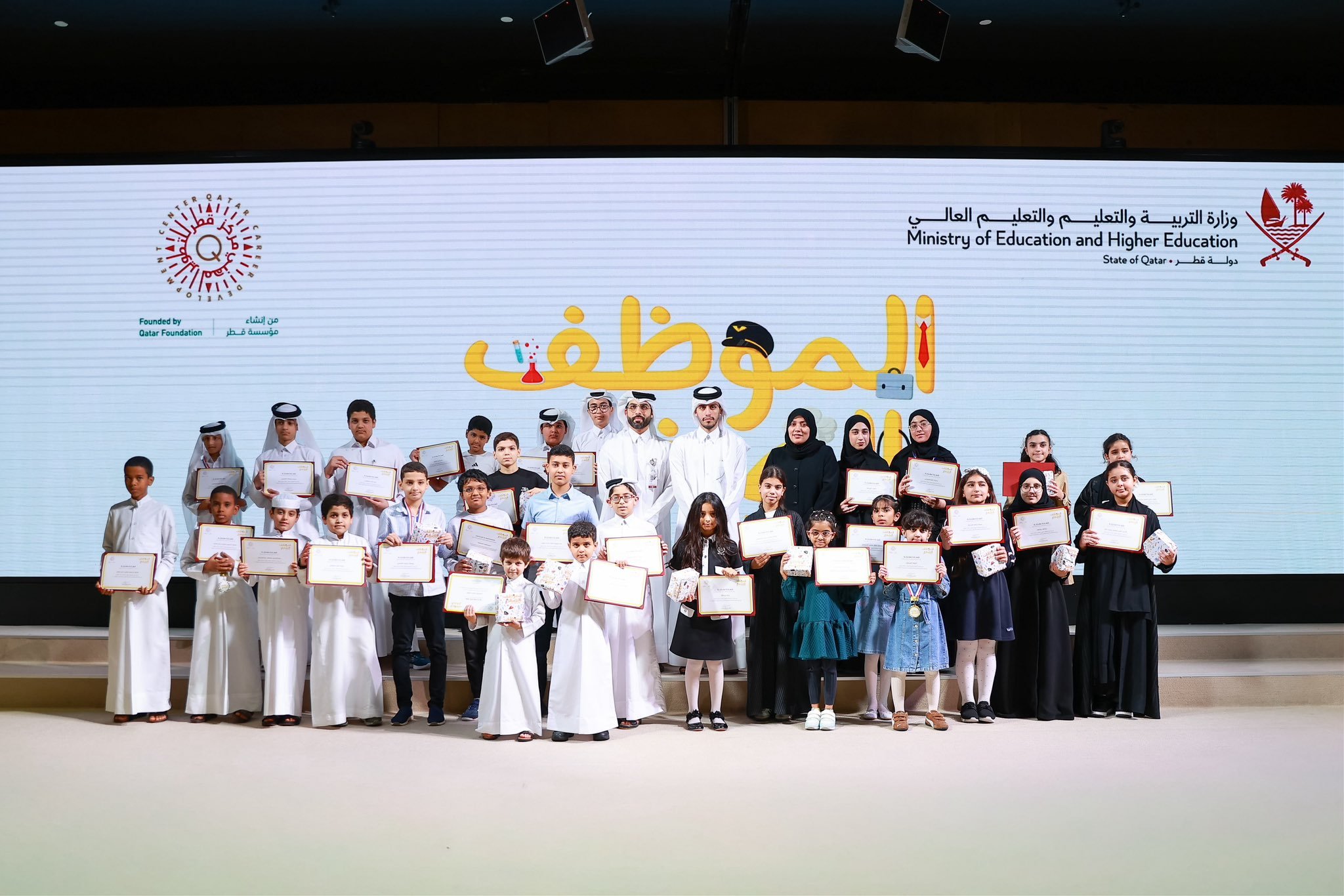
Qatar students experience a day at work through ‘Young Employee’ initiative
Qatar's Young Employee initiative lets students experience a real workday, building career awareness and skills through hands-on activities.
Nov 1,2026
Doha hosts regional UNESCO talks on AI, skills and higher education
Doha hosts UNESCO conference on AI, skills, and higher education, bringing together experts to discuss innovation and future trends in the Arab region.
Nov 1,2026
PHCC urges pregnant women to take RSV and Tdap vaccines to protect newborns
PHCC urges pregnant women in Qatar to get RSV and Tdap vaccines to protect newborns from severe respiratory infections this winter season.
Oct 28,2026