Sudan’s farmers battle severe drought as hunger crisis deepens
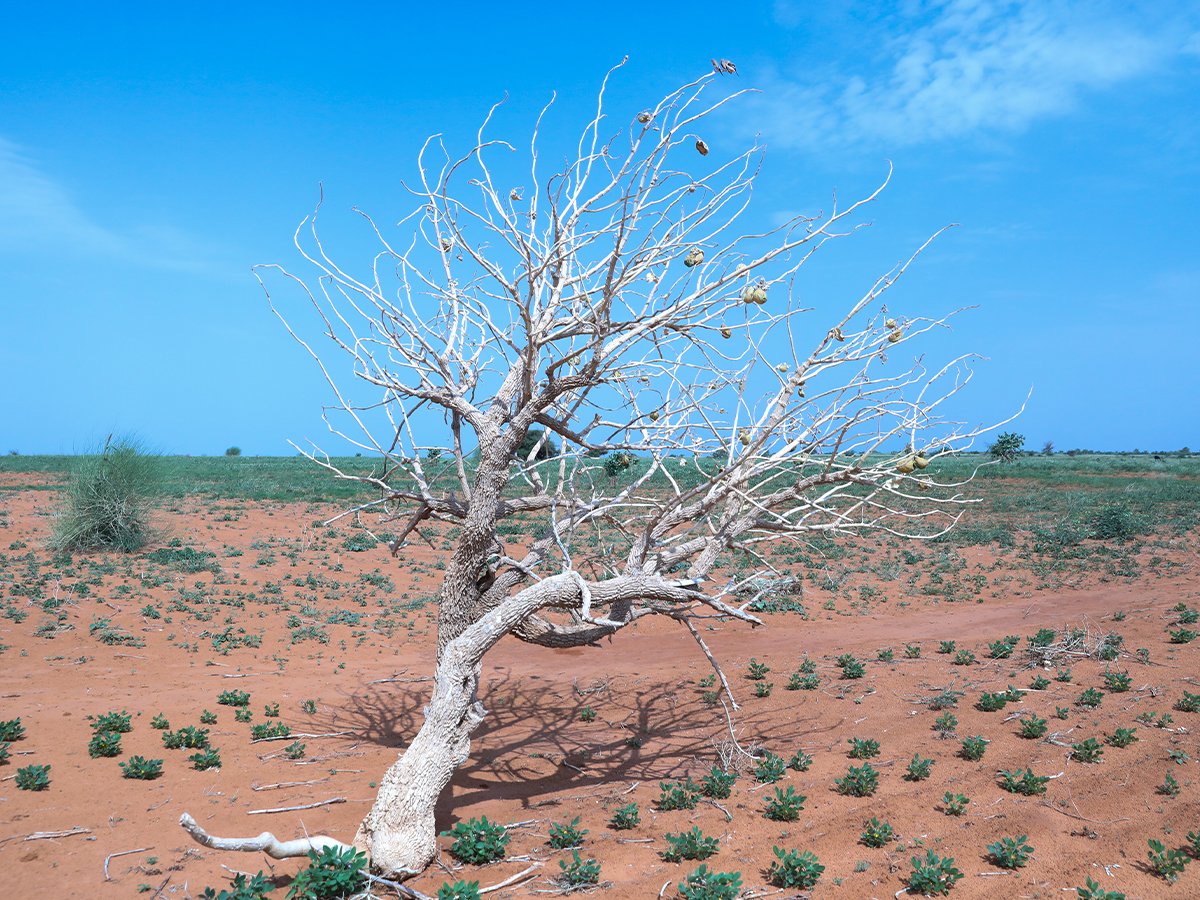
As the battles that have torn the country apart and forced millions to flee their homes, farmers there are facing another enemy that does not emanate from the sounds of bullets and cannons, a drought that could push Sudan back into the clutches of famine.
In a country weary of war and displacement, the tragedy is no longer reduced to the sight of a cracked land waiting for rain, nor to the convoys of displaced people fleeing battles; the drought has made the scene even more harsh in a country that has been described as one of the Arab world's potential food baskets.
Drought and fluctuating rainfall are also adding new pressure on millions of Sudanese, especially in rural areas where agriculture and grazing depend on rainy seasons. The consequences of water shortages do not stop at the fields, but extend to livestock, sources of income and the ability of households to secure basic food.
According to climate studies, agricultural and pastoral areas in Darfur, Blue Nile, Sennar and Gezira are facing severe rainfall disparities and declining vegetation cover, threatening agricultural production and livelihoods. The Integrated Phased Classification Committee for Food Security (a UN-backed initiative) says that a severe drought associated with El Niño has affected more than half of Sudan's area, causing local crops to fail and depriving households of food and income. The committee estimated in May that some 19.5 million people, more than 40 percent of the population, face severe levels of food insecurity.
In North Darfur, delayed rainfall and declining food stocks have exacerbated the crisis, and West Kordofan is experiencing one of the worst droughts since 2004, according to recorded rainfall.
International data confirmed that rainfall during the last three months, which mark the peak of the rainy season, was the lowest in more than three decades across Sudan. The United Nations has warned that severe rainfall shortages are exacerbating the humanitarian catastrophe, particularly in Darfur and parts of Kordofan, where the war is putting people in increasing difficulties in accessing food, water and health services.
Agriculture in Sudan is not just an economic sector, it has been a basis for millions of families and a source of food, income and social stability for generations. In rural areas, many families rely on the rainy seasons to produce crops and provide fodder for livestock, while local markets are linked to the movement of farmers, herders and traders.
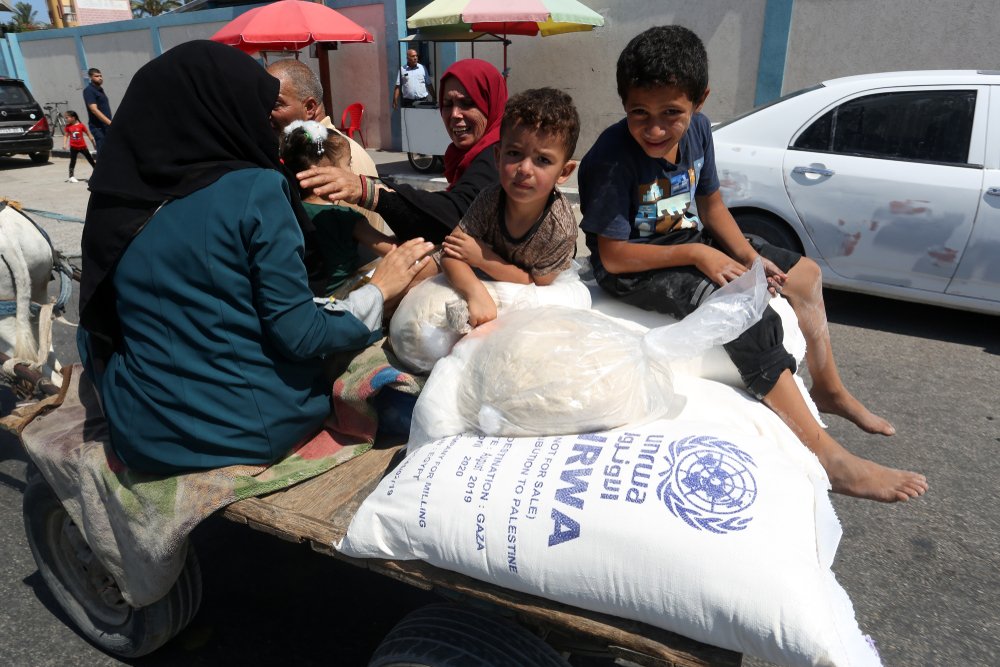
The rains that farmers have been waiting for each year have become a growing concern: the land that is supposed to grow food and fodder has lost much of its natural irrigation, and the fields that have survived destruction and displacement are threatened with declining crops. Humanitarian organizations' ability to feed families who have lost their livelihoods is shrinking, shaping a three-dimensional crisis that combines war, drought and underfunding, and threatens to turn food insecurity into an even more serious catastrophe in a country already suffering from one of the world's largest humanitarian crises.
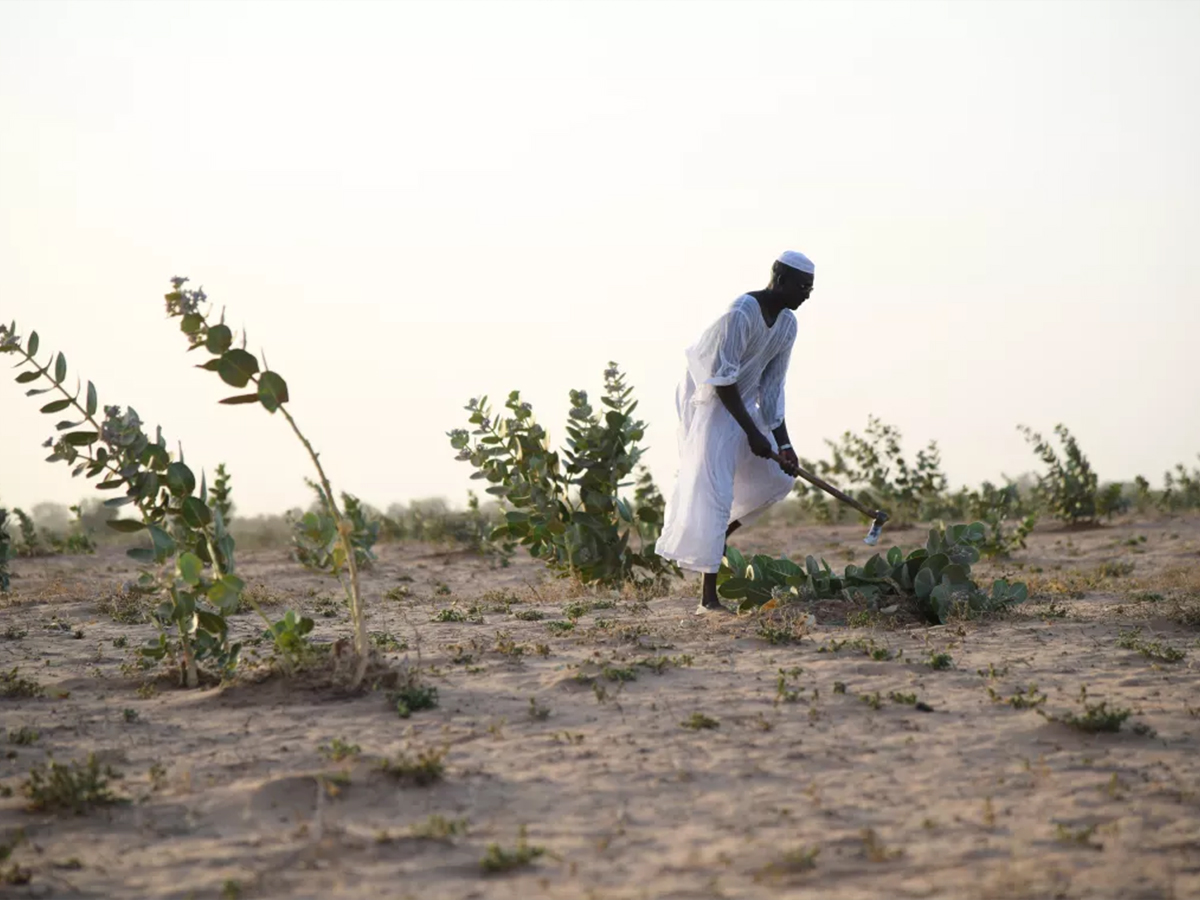
In a statement issued last October, the UN Resident and Humanitarian Coordinator for Sudan, Denise Brown, warned that severe rainfall shortages in some areas are deepening the crisis for millions of people. Brown stressed that children who have already been subjected to repeated displacement face additional risks related to malnutrition and disease, adding that smallholder farmers need urgent support ahead of the winter planting season.
More than 90% of Sudan's agricultural land depends on rainfall, and the European Agricultural Monitoring Center estimates agricultural land at about 206,000 square kilometers, and pastures at about 405,000 square kilometers, out of Sudan's total area estimated at about 1.86 million square kilometers. The center monitored rainfall deficits during three months in about 196,000 square kilometers of agricultural land and active pastures.
Reduced rainfall slows grass regeneration and shrinks surface water, forcing pastoralists to travel longer distances in search of grazing due to a lack of pasture.
This may be reflected in dairy and meat production, animal prices and household incomes, and increase competition for water and pasture resources.
But climate is not the only front: conflict restricts farmers' access to their land and drives them to displace, disrupts infrastructure and the availability of agricultural inputs, and when this coincides with a lack of rain, the ability of communities to compensate for crop and livestock losses is diminished and food insecurity is seriously exacerbated.
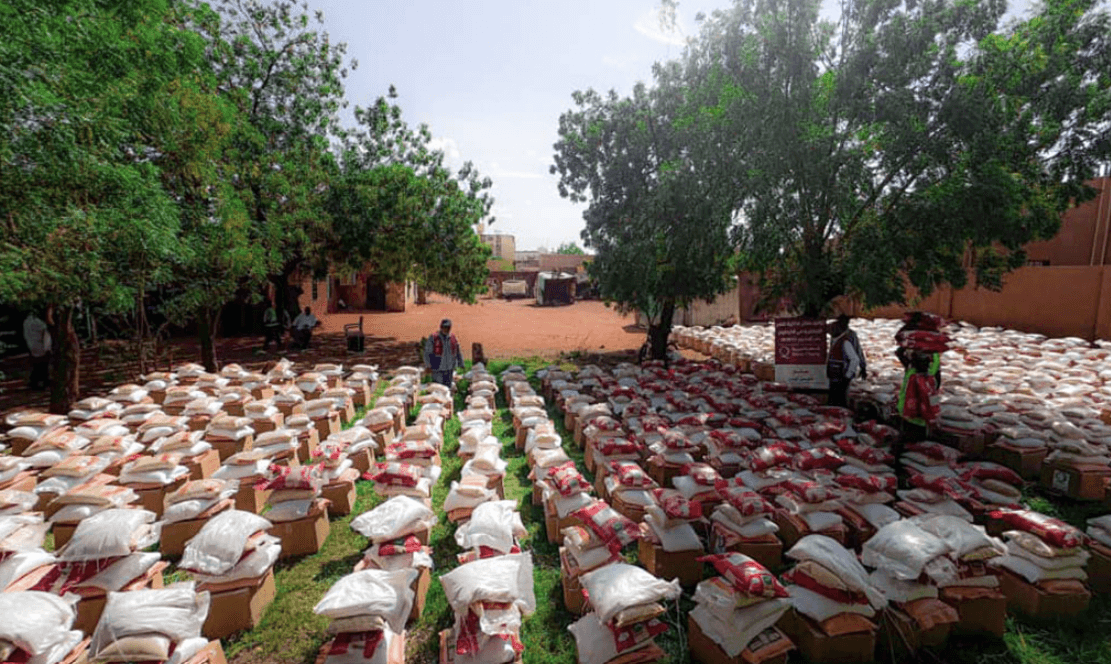
To address these losses, the humanitarian response needs urgent food relief, dry-climate-friendly seeds, rehabilitation of wells and reservoirs, provision of feed and veterinary services, support for smallholder farmers, development of supplementary irrigation and rainwater harvesting. The opening of roads and markets, farmers' access to their land and assistance to those affected is a prerequisite for a successful recovery.
The resources available to WFP for its operations in Sudan amounted to approximately US$ 276 million as of 17 October 2026, less than half of last year's budget, while WFP needed an additional US$ 134 million to deal with drought-related hunger, and a lack of funding has almost halved WFP's food rations in some areas of Sudan.
Between a land that is cracking with thirst, fields waiting for untimely rains, and millions exhausted by war, displacement and hunger, Sudan is facing a crisis that goes beyond the limits of the weather: drought is shattering any hope of catching its breath, and threatens to deepen the losses of farmers and herders, expand poverty and increase dependence on aid, in a country that already has enormous agricultural resources capable of feeding millions if it has the conditions for stability and recovery.
About Qatar Living:
Since 2005, Qatar Living has been the trusted destination for everything Qatar. As the country's largest online community and marketplace, Qatar Living connects people with opportunities through jobs, property, vehicles, services, classifieds, events, local insights, and breaking news. Trusted by residents, newcomers, visitors, and businesses alike, Qatar Living brings Qatar together in one place.
Instagram - @qatarliving
X - @qatarliving
Facebook - Qatar Living
YouTube - qatarlivingofficial
Up Next
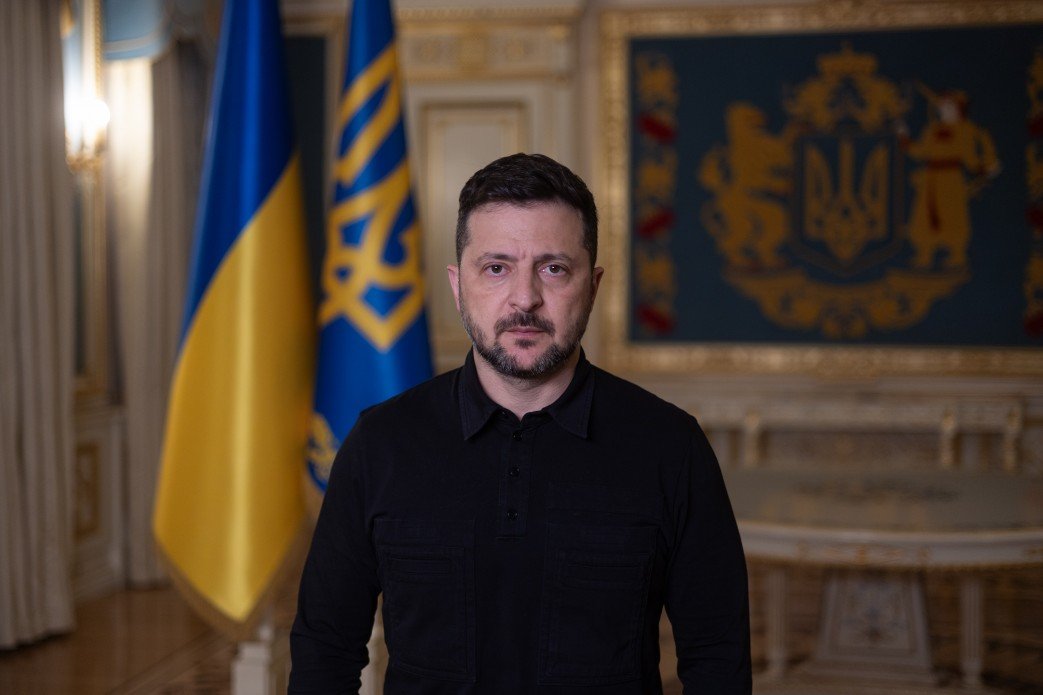
Ukrainian president discusses accelerating his country's acquisition of Patriot missiles after $2.1 billion US deal
Ukrainian President Zelenskyy seeks faster access to Patriot missiles after a $2.1 billion US deal to boost Ukraine's air defense against Russia.
Nov 1,2026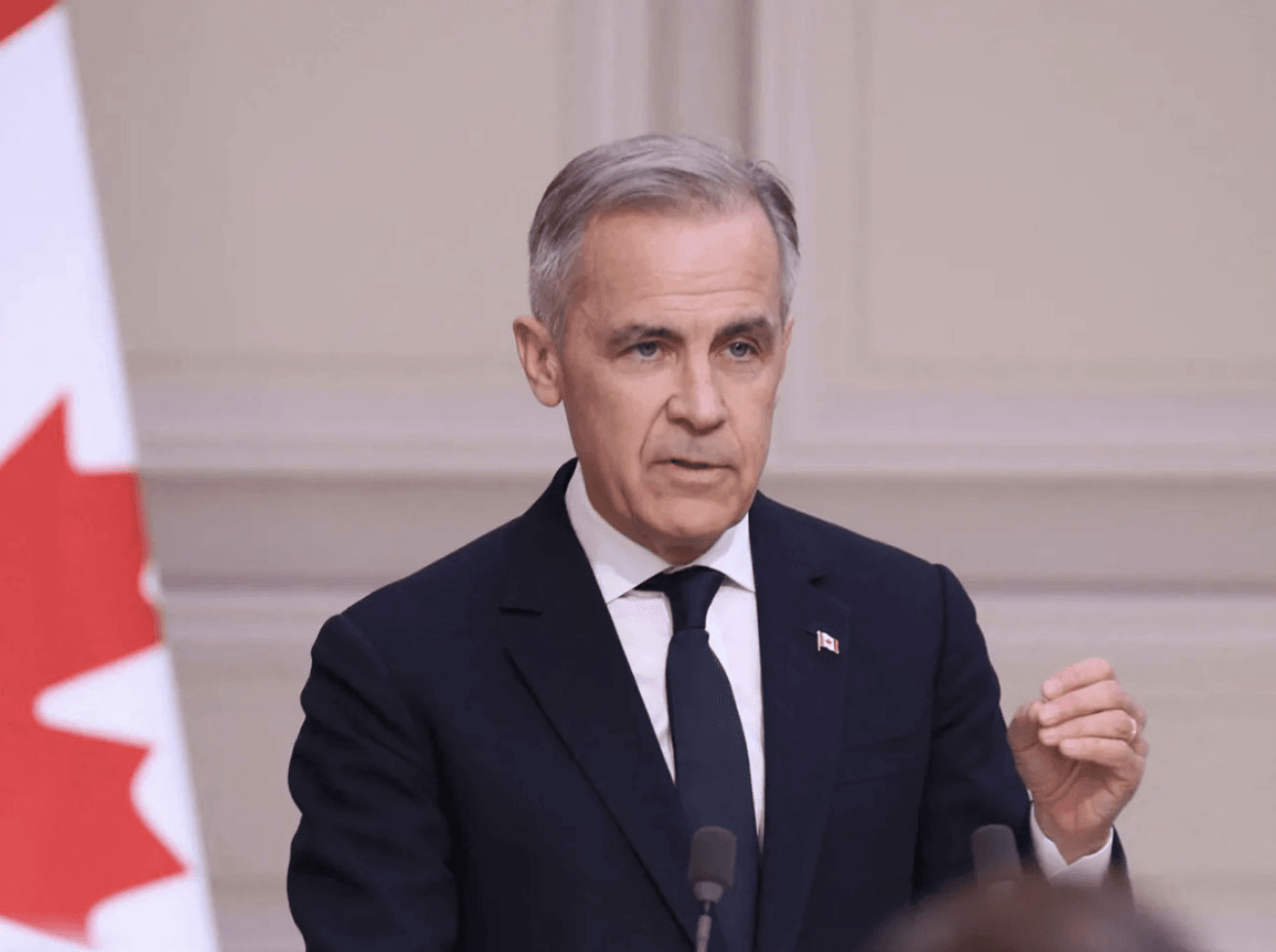
Canada and European Union Launch Alliance for the Future to Strengthen Economic Partnership
Canada and the EU launch the Alliance for the Future to boost economic ties, digital trade, energy, and security, aiming for a deeper partnership.
Oct 31,2026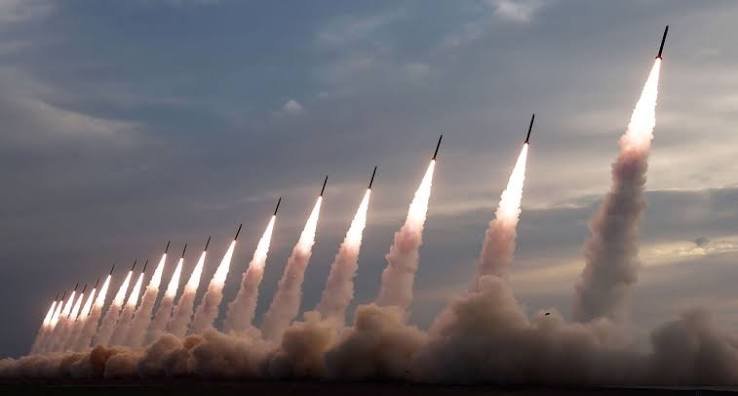
North Korea fires about a dozen missiles as tensions with South Korea rise
North Korea fires about a dozen ballistic missiles amid rising tensions with South Korea following a disputed landmine explosion along the border.
Oct 29,2026
Global Perspectives: In Doha highlights growing role of middle powers in global economy
Panel in Doha highlights the rising influence of middle powers in the global economy, focusing on alliances, trade, and diplomatic cooperation.
Oct 29,2026